


Can Chinese Solar Inverters Meet International Grid Standards?
As the global demand for solar energy continues to rise, Chinese solar inverters have become a significant component in photovoltaic systems worldwide. However, potential buyers often have specific questions regarding their performance, reliability, and adherence to international standards. Below, we address six frequently asked questions to provide a comprehensive understanding of Chinese solar inverters.
1. Are Chinese solar inverters reliable for long-term use?
Reliability is a critical factor when selecting solar inverters, as they play a pivotal role in converting DC power from solar panels into usable AC power. Leading Chinese manufacturers like Sungrow and SolaX Power have established a reputation for producing durable and efficient inverters. Sungrow, for instance, has been recognized for its high bankability, indicating strong financial health and reliability in the industry. Additionally, SolaX Power's inverters are known for their advanced features and robust performance, catering to both residential and commercial applications.
2. Do Chinese solar inverters meet international grid standards?
Compliance with international grid standards is essential to ensure seamless integration and safe operation within various power grids. Many Chinese solar inverters are designed to meet these standards, including IEC 62109-1/2 and UL 1741, which pertain to safety and performance. For example, China Energy supplies inverters that adhere to these standards, ensuring compatibility with international grids. However, it's crucial to verify the specific certifications of each inverter model to ensure compliance with the standards applicable in your region.
3. Are Chinese solar inverters susceptible to cybersecurity threats?
Cybersecurity is a growing concern in the renewable energy sector, particularly regarding devices connected to the internet, such as solar inverters. Reports have highlighted potential vulnerabilities in Chinese-made inverters, raising alarms about the possibility of remote manipulation. For instance, in November 2024, Chinese manufacturer Ningbo Deye Technology remotely disabled several of its inverters installed in the United States amid a contract dispute. To mitigate such risks, it's advisable to select inverters from reputable manufacturers that implement robust cybersecurity measures and to ensure that devices are regularly updated with the latest security patches.
4. How do Chinese solar inverters compare in cost to other brands?
Cost-effectiveness is one of the primary advantages of Chinese solar inverters. Manufacturers like JinkoSolar have significantly reduced production costs, making their products more affordable without compromising quality. This reduction in cost has been a key factor in China's dominance of more than 80% of global solar module production. However, while the initial investment may be lower, it's essential to consider the total cost of ownership, including maintenance and potential replacement costs over the system's lifespan.
5. Are Chinese solar inverters compatible with energy storage systems?
Compatibility with energy storage systems is vital for maximizing the efficiency and utility of solar power. Chinese manufacturers like SolaX Power offer inverters that integrate seamlessly with energy storage solutions, providing a comprehensive system for both energy generation and storage. This integration allows for optimized energy management, enabling users to store excess energy for later use and enhance overall system performance.
6. What are the warranty and support options for Chinese solar inverters?
Warranty and after-sales support are crucial considerations when investing in solar inverters. Many Chinese manufacturers provide warranties ranging from 5 to 10 years, with options for extension. For example, China Energy offers inverters with warranties of 5 to 10 years, ensuring long-term support for their products. It's advisable to review the specific warranty terms and conditions of each manufacturer and consider the availability of local support services to ensure prompt assistance when needed.
In conclusion, Chinese solar inverters offer a combination of reliability, cost-effectiveness, and advanced features that make them a competitive choice in the global market. By carefully evaluating the factors mentioned above, you can make an informed decision that aligns with your energy needs and ensures optimal performance of your solar power system.
For a personalized quote or more detailed information, please contact us at info@csinverter.com or visit our website at www.csinverter.com.


Pure Sine Wave Inverters
What capacity battery is needed to drive a 1000W electric kettle?
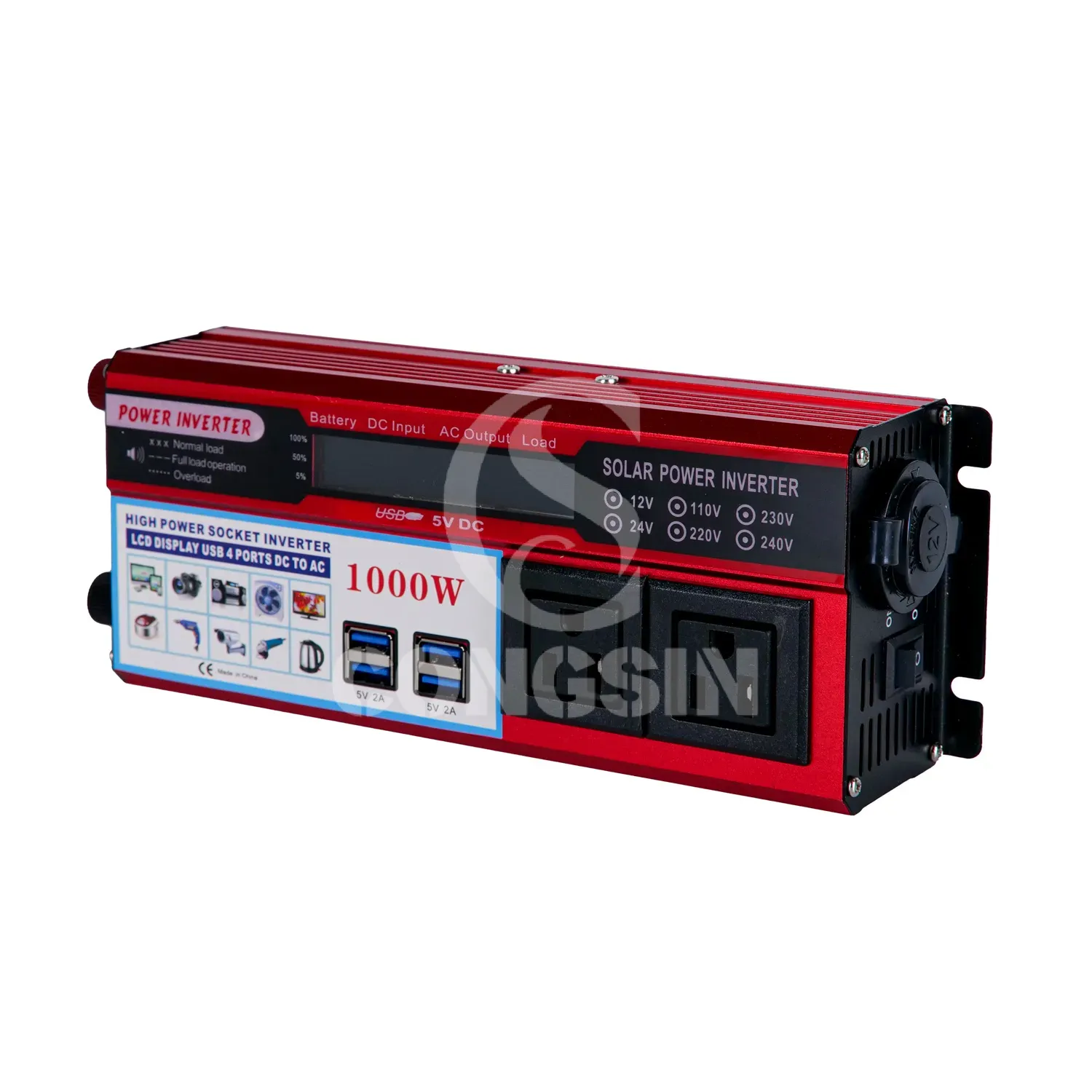
It is recommended to match with a 12V 100Ah or larger capacity battery. When a 1000W electric kettle is working, the power consumption per hour is about 83Ah (1000W÷12V≈83A), and a 100Ah battery can support continuous work for about 1 hour (actual battery life is affected by battery aging).
Modified Sine Wave Inverters
Does it support inductive loads?
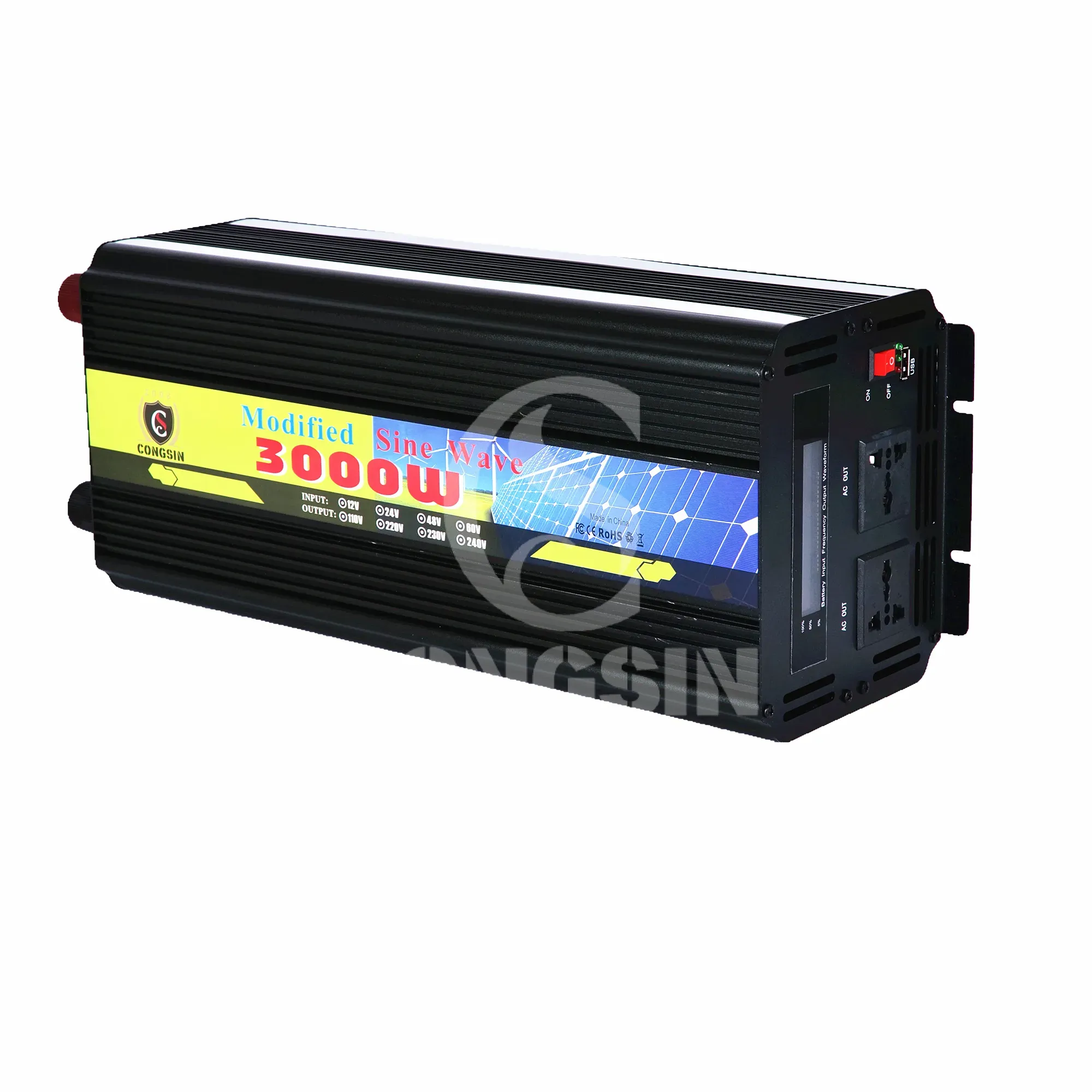
Modified sine wave inverters are suitable for resistive loads; for inductive loads, pure sine wave models are recommended.
What devices can it power?
Suitable for fans, lights, TVs, laptops, and small electric tools.
What power range of devices can it supply?
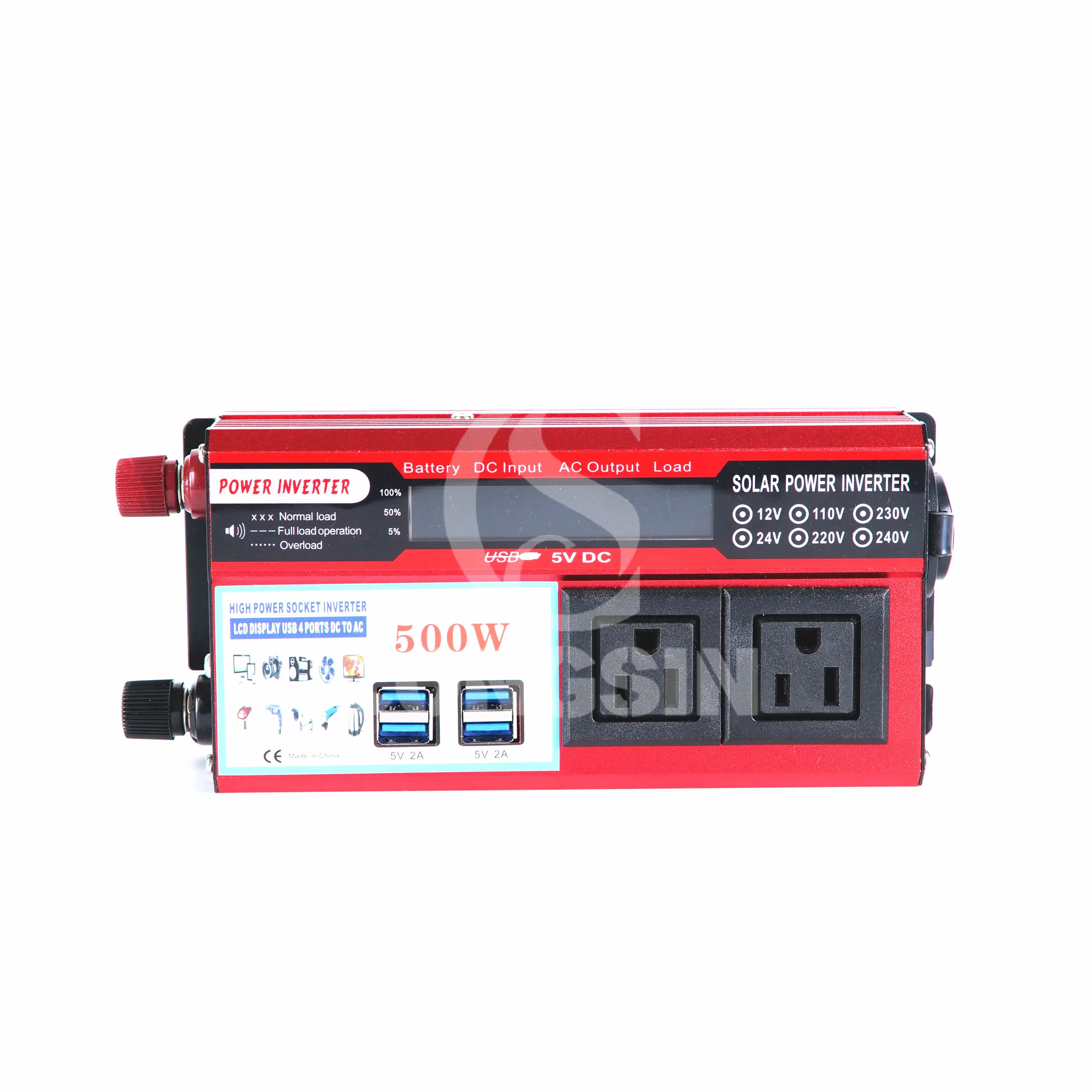
It supports devices within 360W in UPS mode and within 500W in regular mode. Ensure the device power does not exceed the corresponding limit.
Distributor
Do you provide marketing and sales materials?
Yes, we provide a range of marketing resources, including brochures, digital content, and product training.
Get in Touch with Our Team
You can also communicate with us directly through our online contact form. Please fill in the following information, and our team will contact you as soon as possible after receiving your message.

CONGSIN is a trusted OEM factory for power inverters, solar charge controllers, and DC converters. Reliable solutions for global B2B buyers.
 High Quality
 7/24 Service
 Guaranteed Warranty
© 2025 Congsin. All Rights Reserved.